
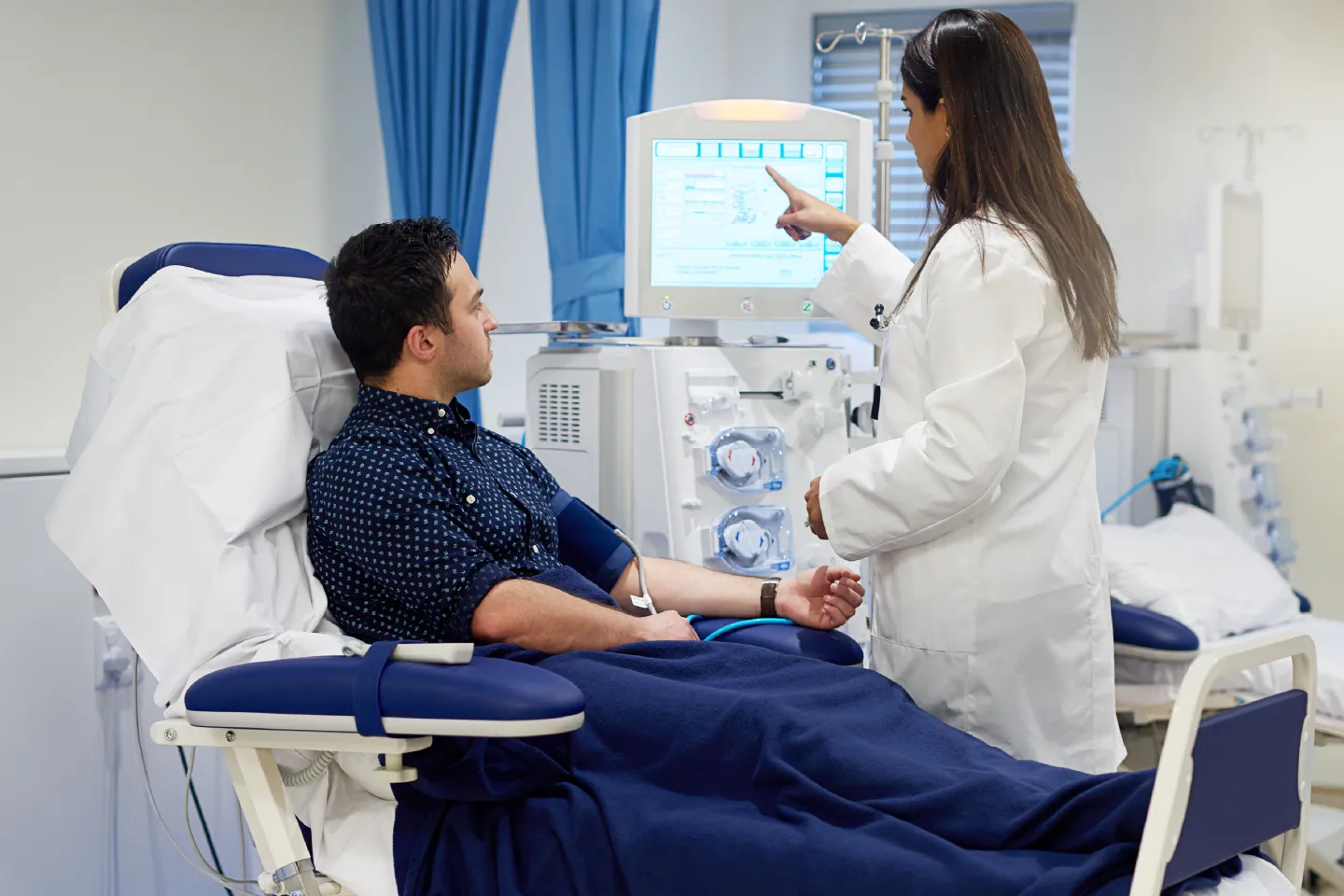
Chronic kidney disease (CKD) and end-stage renal disease (ESRD) affect millions of people worldwide. When kidneys fail to filter waste and maintain fluid balance, patients require renal replacement therapy—either dialysis or kidney transplant. Choosing the right option is crucial, as it significantly impacts survival, quality of life, and long-term health outcomes.
According to Dr. Rahul Yadav, a leading urologist in Delhi NCR, understanding the long-term benefits and limitations of each treatment helps patients make informed decisions, reduces complications, and improves overall well-being.
What Is Dialysis?
Dialysis is a life-saving procedure that artificially performs the filtering function of the kidneys.
There are two main types:
- Hemodialysis: Blood is passed through a machine that removes waste and excess fluid, typically three times a week.
- Peritoneal Dialysis: The lining of the abdomen filters blood internally, allowing dialysis at home or work.
While dialysis can sustain life, it does not cure kidney disease. Patients must adhere to strict schedules, dietary restrictions, and fluid limits, making lifestyle adjustments a continuous requirement. Dr. Rahul Yadav emphasizes that dialysis is critical for patients awaiting transplant or those ineligible for immediate kidney replacement.
What Is Kidney Transplant?
A kidney transplant involves surgically replacing a failed kidney with a healthy one from a living or deceased donor. Unlike dialysis, a successful transplant restores near-normal kidney function.
Dr. Rahul Yadav notes that kidney transplant is generally considered the gold standard for eligible patients, offering not only improved survival but also enhanced quality of life and freedom from the burdens of ongoing dialysis.
Long-Term Benefits: Kidney Transplant vs Dialysis
1. Survival Rates
Research consistently shows that patients receiving a kidney transplant have higher long-term survival than those on dialysis.
According to Dr. Rahul Yadav, transplant recipients can live 10–20 years longer depending on age, general health, and donor compatibility, making early evaluation critical for eligible patients.
2. Quality of Life
Dialysis: Patients often face fatigue, frequent hospital visits, dietary restrictions, and reduced physical activity.
Transplant: Recipients typically regain energy, enjoy fewer restrictions, and can return to normal daily routines.
Dr. Rahul Yadav highlights that this improvement in daily functioning is one of the most important reasons transplant is preferred when feasible.
3. Treatment Burden
Dialysis demands multiple weekly sessions, significantly limiting personal and professional life. Post-transplant, patients are free from routine dialysis, offering greater independence.
4. Risk of Complications
Dialysis: Higher chances of infections, cardiovascular issues, bone disease, and anemia.
Transplant: Requires lifelong immunosuppressive medication to prevent rejection, but overall complication rates are often lower, especially under Dr. Rahul Yadav’s expert care.
5. Cost Considerations
While kidney transplant incurs higher upfront costs, long-term dialysis is expensive over time. Dr. Rahul Yadav explains that for most patients, transplant is more cost-effective in the long run and reduces ongoing healthcare visits and hospitalizations.
6. Physical and Mental Health
Transplant patients report better sleep, increased strength, improved appetite, and enhanced mental well-being. Dialysis patients may struggle with chronic fatigue and stress due to the ongoing nature of treatment.
Dr. Rahul Yadav emphasizes that the mental health benefits of transplant play a crucial role in long-term recovery and life satisfaction.
Eligibility for Kidney Transplant
Not all patients are immediately suitable for transplantation. According to Dr. Rahul Yadav, key considerations include:
- Age and overall health
- Absence of severe cardiovascular or liver disease
- Compatibility with donor kidney
- Ability to take lifelong immunosuppressive therapy
- Commitment to regular follow-up and monitoring
Patients not eligible for immediate transplant continue dialysis, which helps maintain health until transplantation becomes possible.
When Dialysis Remains Necessary
For patients awaiting transplant or those who cannot undergo surgery, dialysis remains lifesaving.
Dr. Rahul Yadav recommends strict adherence to treatment schedules, dietary modifications, and regular monitoring to reduce complications and maintain optimal kidney function during this period.
Lifestyle Considerations
Post-Transplant Life:
- Lifelong immunosuppressive therapy
- Regular checkups and lab monitoring
- Balanced diet and exercise
- Avoiding infections through proper hygiene
Dialysis Life:
- Frequent hospital visits or home treatments
- Strict fluid and dietary restrictions
- Monitoring for cardiovascular and bone health issues
Dr. Rahul Yadav explains that while both treatments require discipline, transplant generally allows a more normal, flexible lifestyle.
Why Consult Dr. Rahul Yadav?
Patients across Delhi NCR choose Dr. Rahul Yadav for:
- Expertise in kidney transplantation, dialysis management, and urology
- Advanced diagnostic and surgical techniques
- Personalized care tailored to each patient’s medical history and lifestyle
- Comprehensive post-transplant follow-up for long-term kidney health
- Patient-focused guidance with compassionate support
- His experience ensures patients receive optimal treatment decisions and best possible outcomes for kidney failure.
Conclusion
Kidney failure is life-changing, but timely treatment can dramatically improve outcomes. While dialysis is lifesaving and essential, kidney transplant offers superior long-term benefits, including:
- Better survival rates
- Improved quality of life
- Freedom from frequent treatments
- Fewer long-term complications
- Enhanced physical and mental well-being
Dr. Rahul Yadav advises all CKD and ESRD patients to consult a urologist early, evaluate transplant eligibility, and plan proactively for long-term kidney care. Timely intervention ensures not just survival, but also a healthier and more fulfilling life.