
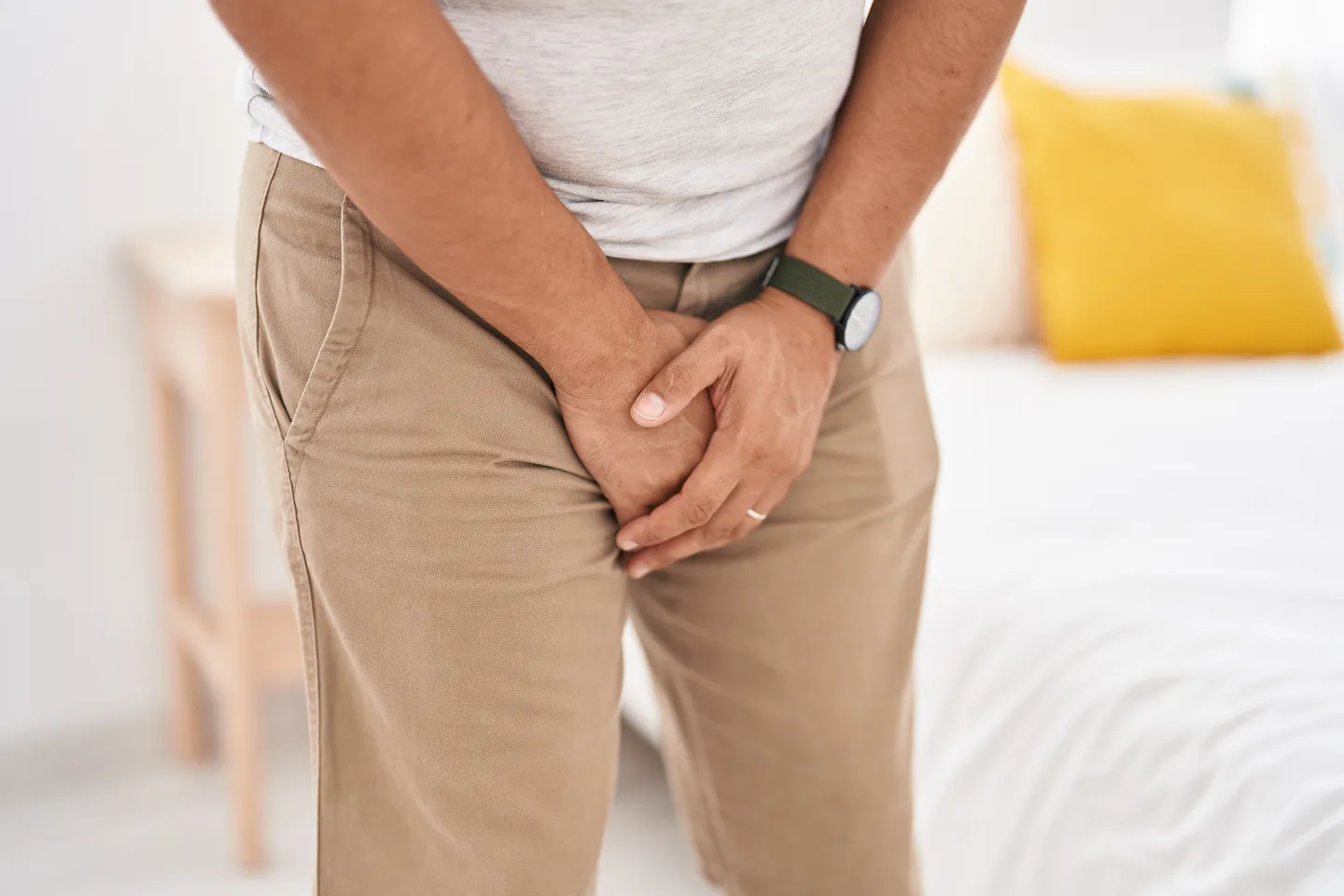
Finding a lump in the groin can be alarming. While many groin lumps are harmless, some may indicate serious underlying conditions requiring prompt medical attention. Dr. Rahul Yadav, a leading urologist in Delhi NCR, emphasizes that early evaluation can be crucial in determining the cause and ensuring effective treatment.
Common Causes of Groin Lumps
Groin lumps can arise from a variety of conditions, including:
1. Inguinal Hernia
- Occurs when tissue, such as intestine, protrudes through a weak spot in the abdominal muscles.
- Often feels soft or firm and may enlarge when standing or straining.
Dr. Rahul Yadav notes that untreated hernias can lead to complications like obstruction or strangulation.
2. Swollen Lymph Nodes
- Lymph nodes in the groin can swell due to infection, inflammation, or systemic illness.
- May be tender or firm.
- Persistent or painless enlargement can sometimes signal more serious conditions, including cancers.
3. Lipoma
- Benign fatty tumors that are usually soft, movable, and painless.
- Typically harmless but may require removal if they cause discomfort or grow.
4. Abscess or Infection
- Localized bacterial infections can cause painful, red, and warm lumps.
- Often accompanied by fever or tenderness.
- Requires timely medical evaluation and treatment to prevent spread.
5. Testicular or Other Cancers
A firm, non-tender lump in the groin may indicate testicular cancer or metastatic spread from other sites.
Dr. Rahul Yadav stresses that any persistent, painless lump should be evaluated promptly, as early detection significantly improves treatment outcomes.
Warning Signs That Require Immediate Attention
You should seek medical consultation immediately if the groin lump is accompanied by:
- Rapid growth or sudden appearance
- Firm, hard, or immovable texture
- Pain that persists or worsens
- Redness, warmth, or signs of infection
- Swelling in both legs or lower abdomen
- Unexplained weight loss or night sweats
Dr. Rahul Yadav emphasizes that timely evaluation can differentiate between minor, treatable conditions and serious diseases.
Diagnostic Approach
When a patient consults Dr. Rahul Yadav, the diagnostic process typically includes:
- Medical History and Physical Examination: Assess size, texture, tenderness, and changes over time.
- Ultrasound Imaging: Provides a clear view of the lump’s structure and composition.
- Blood Tests: Detect infections, inflammation, or tumor markers.
- CT Scan or MRI (if needed): Helps identify deeper involvement or metastasis.
- Biopsy: For suspicious lumps to confirm or rule out cancer.
Early and accurate diagnosis ensures the most appropriate treatment and improves outcomes.
Treatment Options
Treatment depends on the underlying cause:
- Hernia: Surgical repair, often minimally invasive.
- Infection/Abscess: Antibiotics and drainage if required.
- Lipoma: Surgical removal if symptomatic.
- Enlarged Lymph Nodes: Treat underlying infection; monitor or biopsy if persistent.
- Cancerous Lumps: Surgical intervention, chemotherapy, or radiation depending on type and stage.
Dr. Rahul Yadav highlights that individualized treatment plans, guided by proper diagnosis, lead to the best results.
Prevention and Monitoring
While not all groin lumps are preventable, maintaining general health can reduce risks:
- Regular check-ups, especially if there is a family history of cancer
- Prompt treatment of infections
- Awareness of changes in groin area, testicles, or lower abdomen
- Avoiding heavy strain or trauma to the groin region
Dr. Rahul Yadav recommends that men perform self-examinations and seek professional advice for any abnormal finding.
Why Consult Dr. Rahul Yadav?
Patients trust Dr. Rahul Yadav for groin and urological concerns because:
- Extensive expertise in urology, andrology, and minimally invasive surgery
- Skilled in identifying both benign and serious conditions
- Offers personalized evaluation and treatment
- Advanced diagnostic tools and surgical techniques for optimal outcomes
- Compassionate patient care and long-term follow-up
Early consultation ensures that a groin lump—whether minor or serious—is managed effectively, minimizing risks and improving prognosis.
Conclusion
A lump in the groin may be harmless, but it can also indicate serious conditions such as cancer, hernia, or infection. Dr. Rahul Yadav emphasizes that early detection and evaluation are key to preventing complications and ensuring effective treatment.
If you notice a lump in your groin or experience associated symptoms, consult Dr. Rahul Yadav promptly to receive accurate diagnosis, personalized care, and peace of mind.